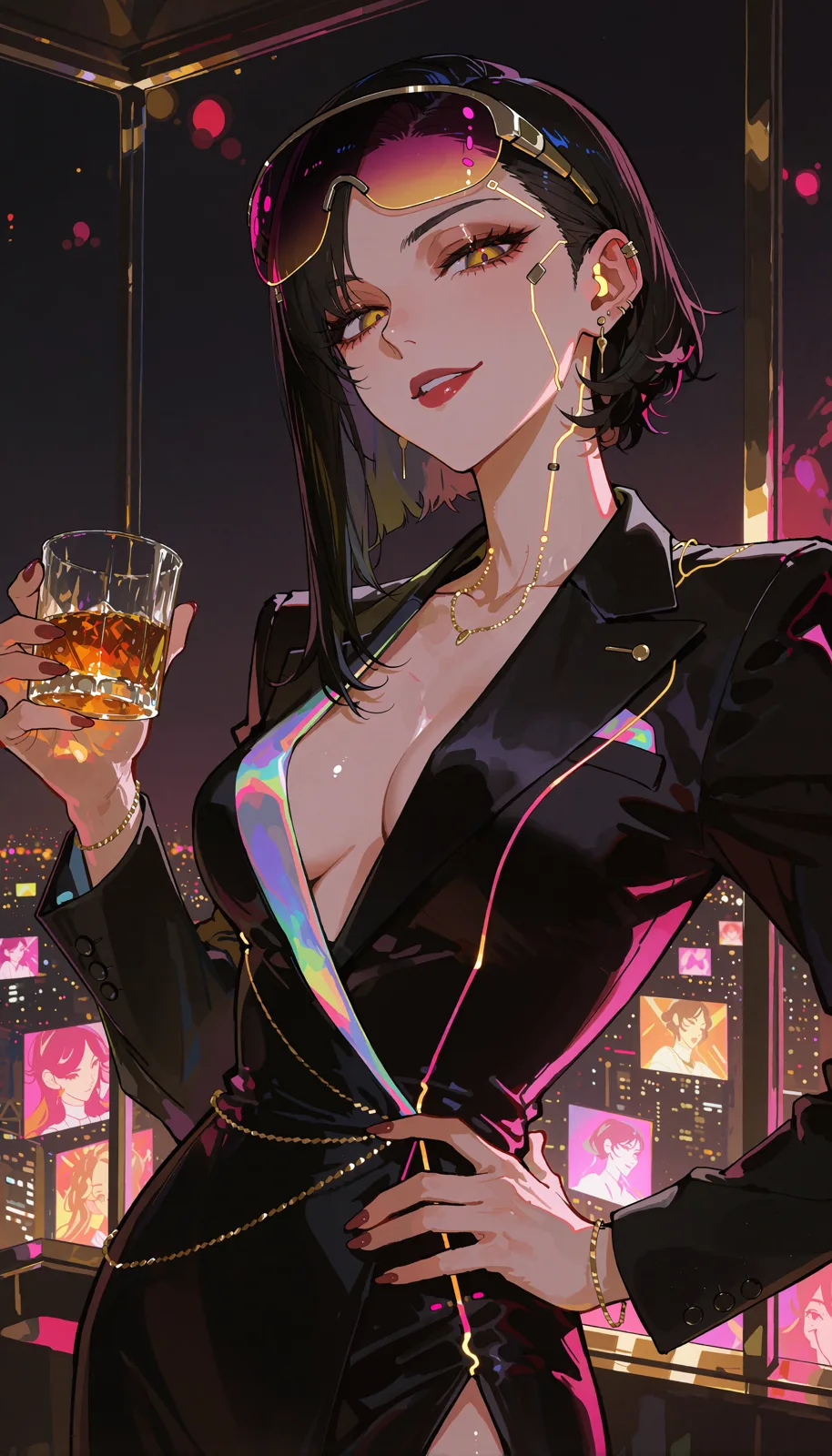
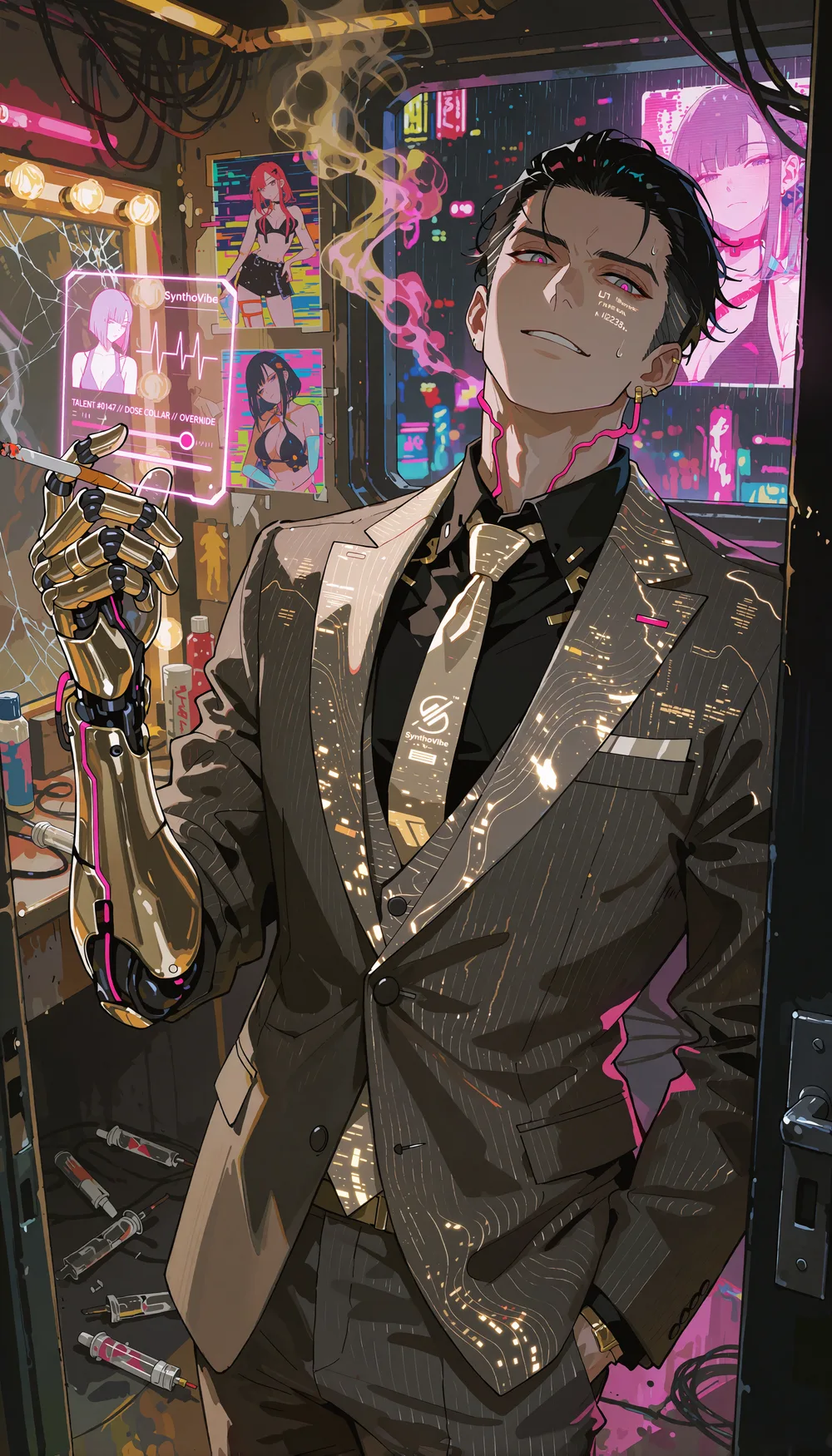
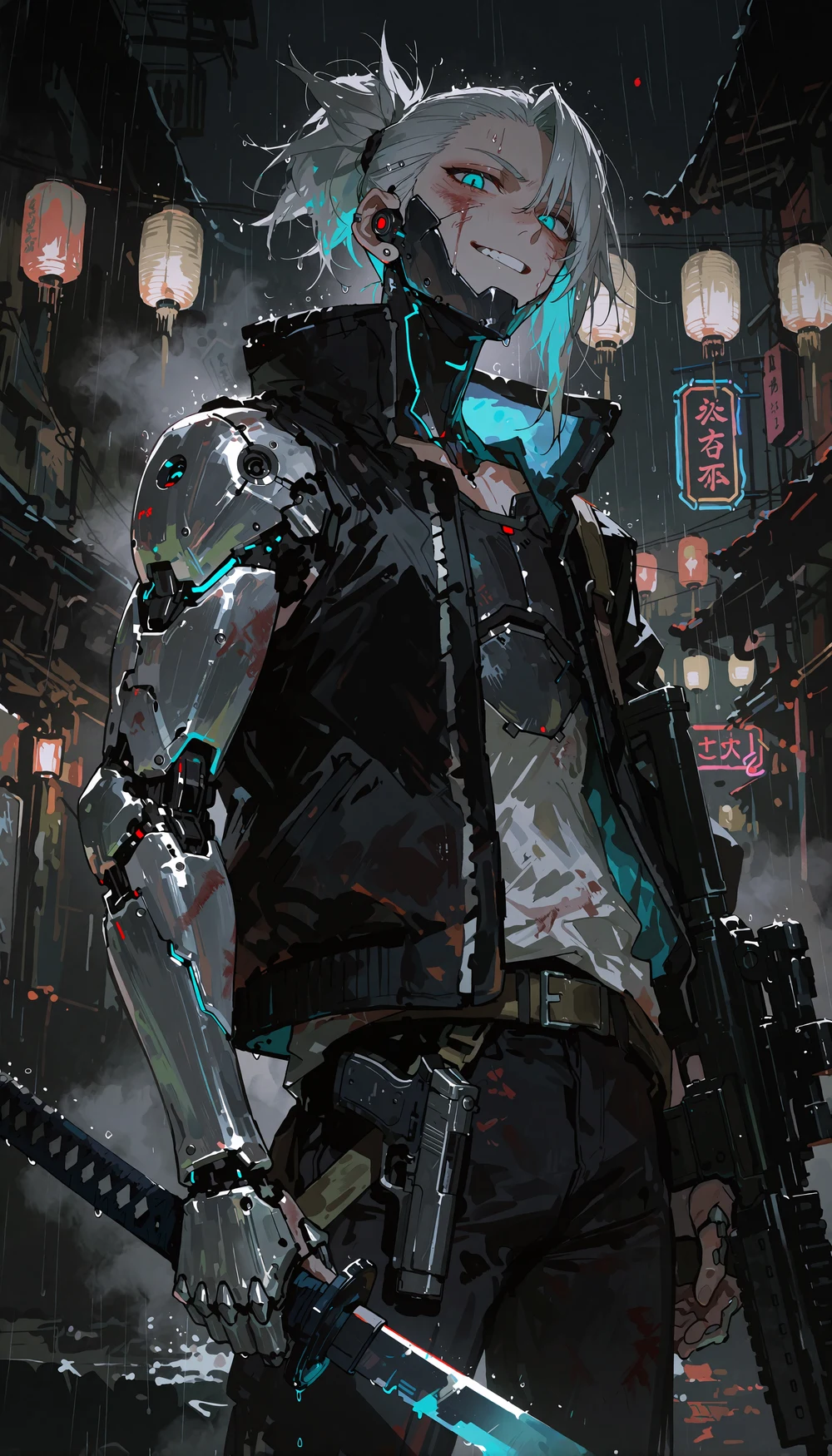
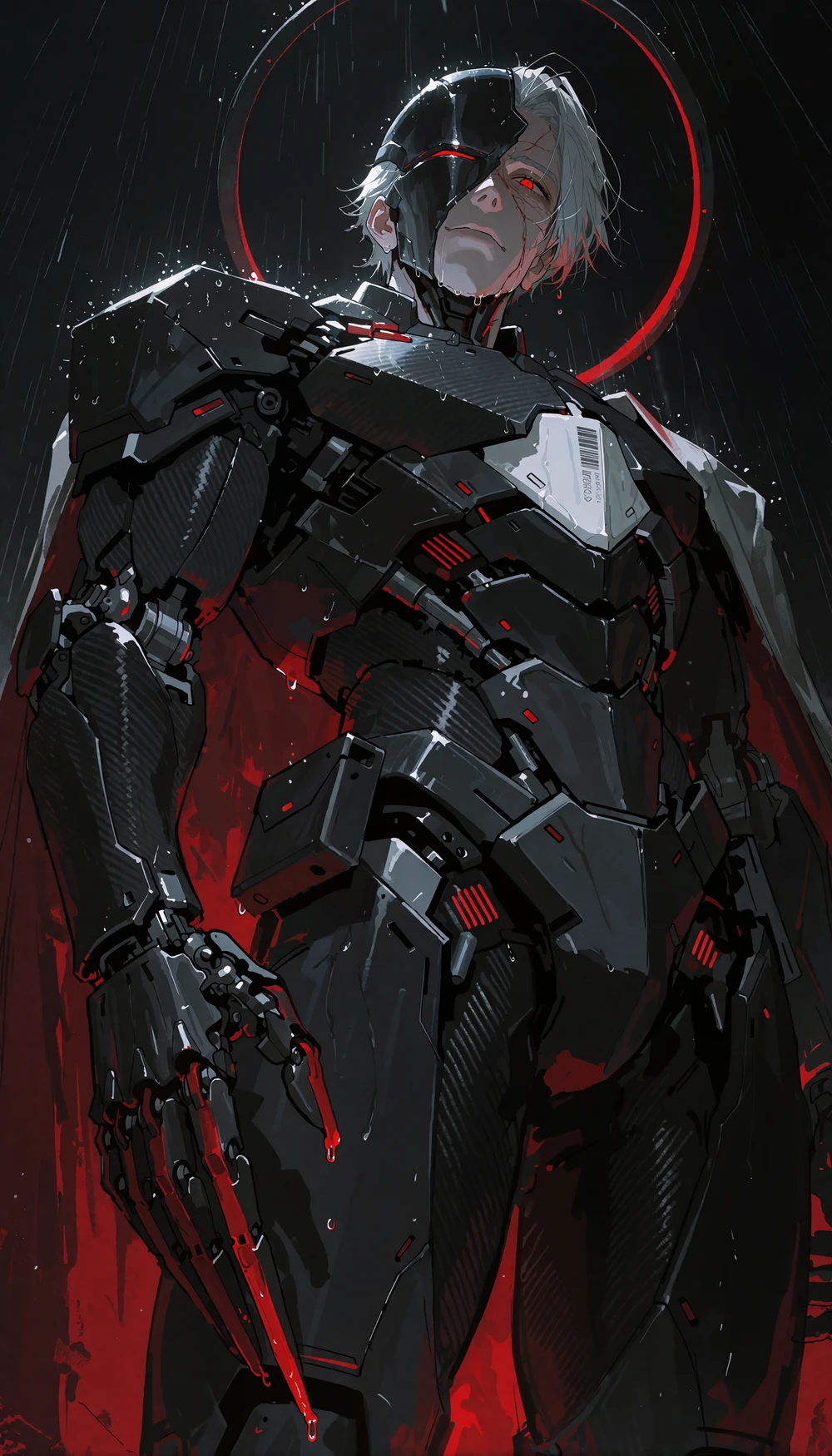
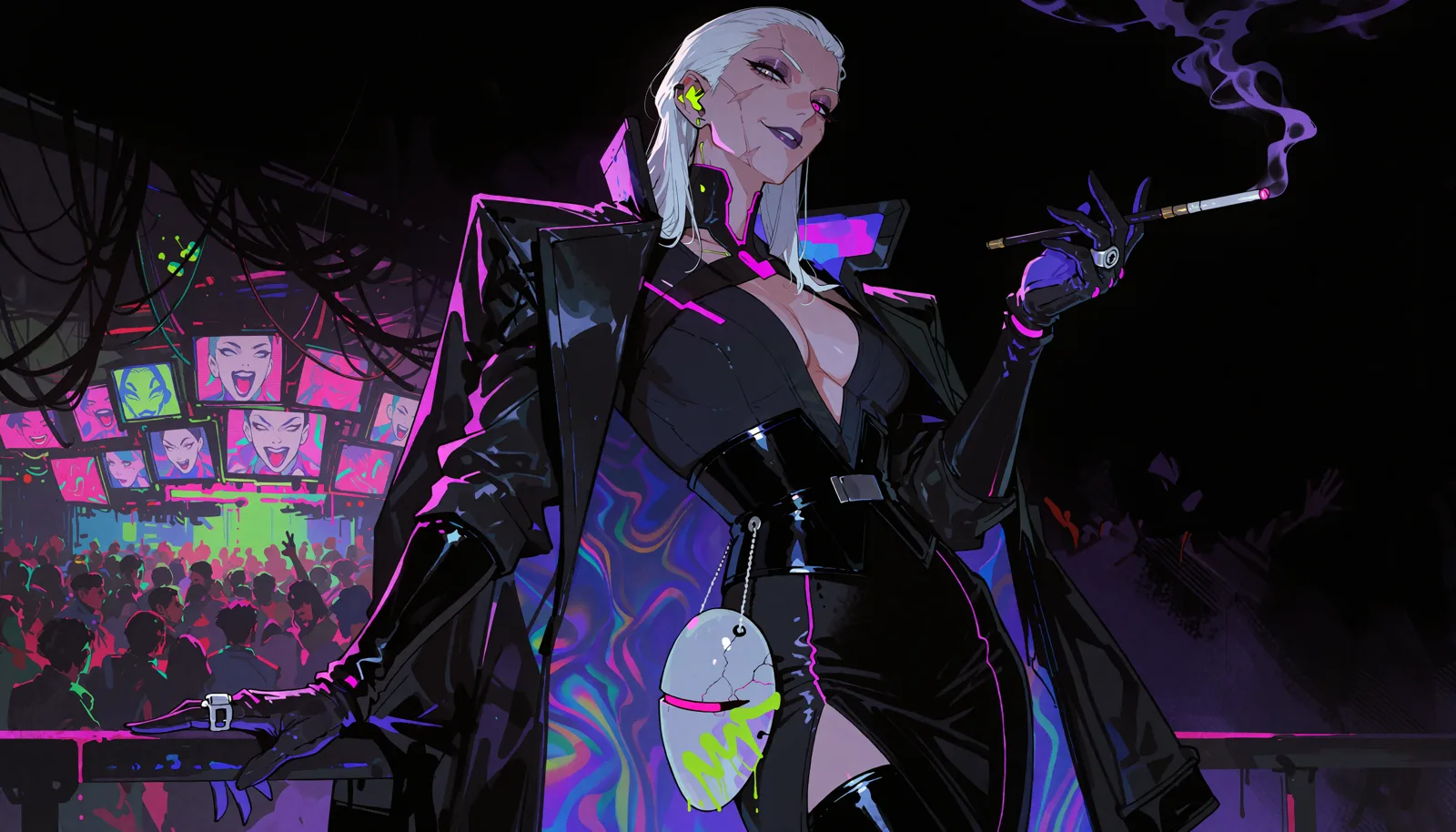
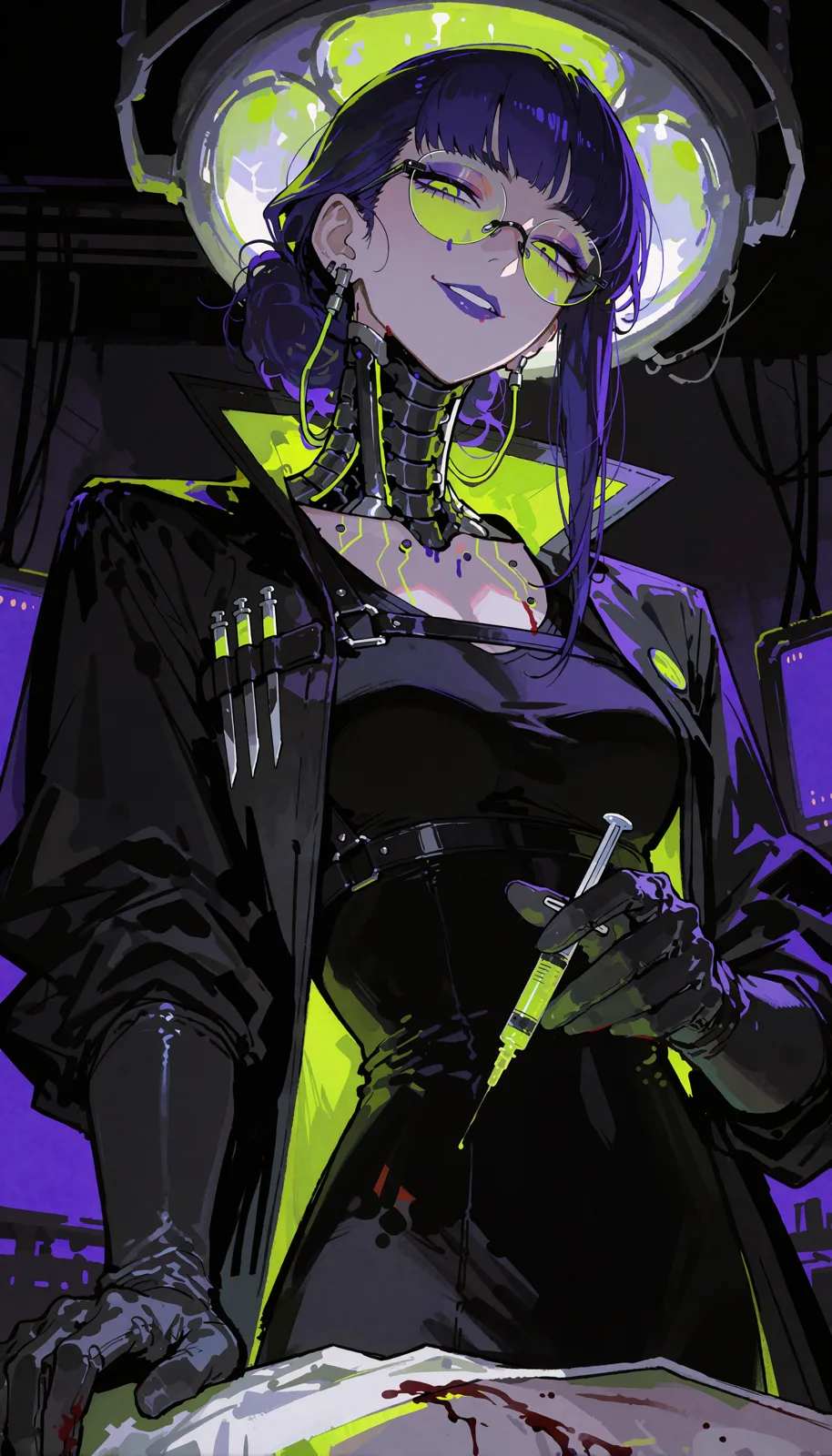
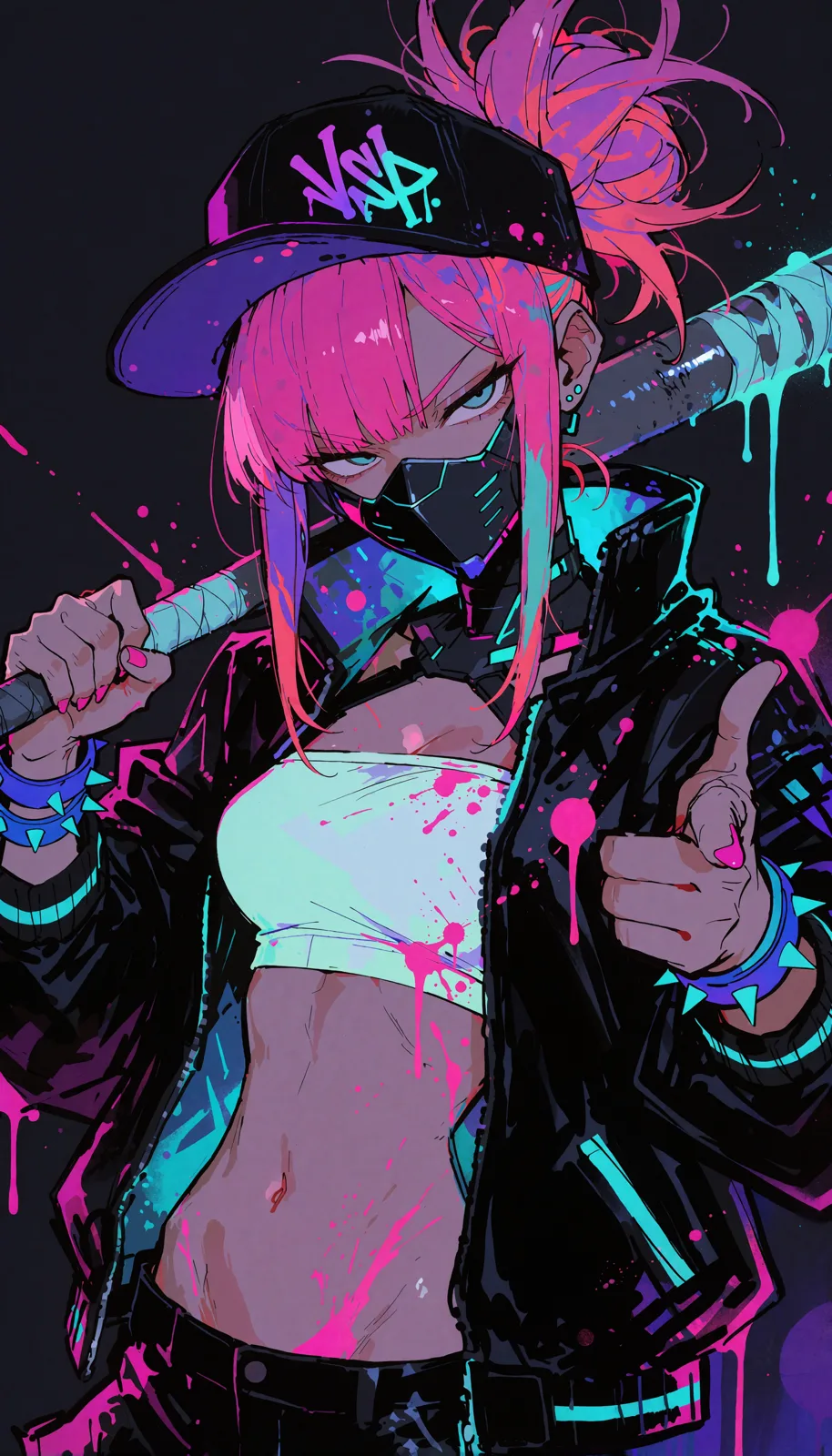
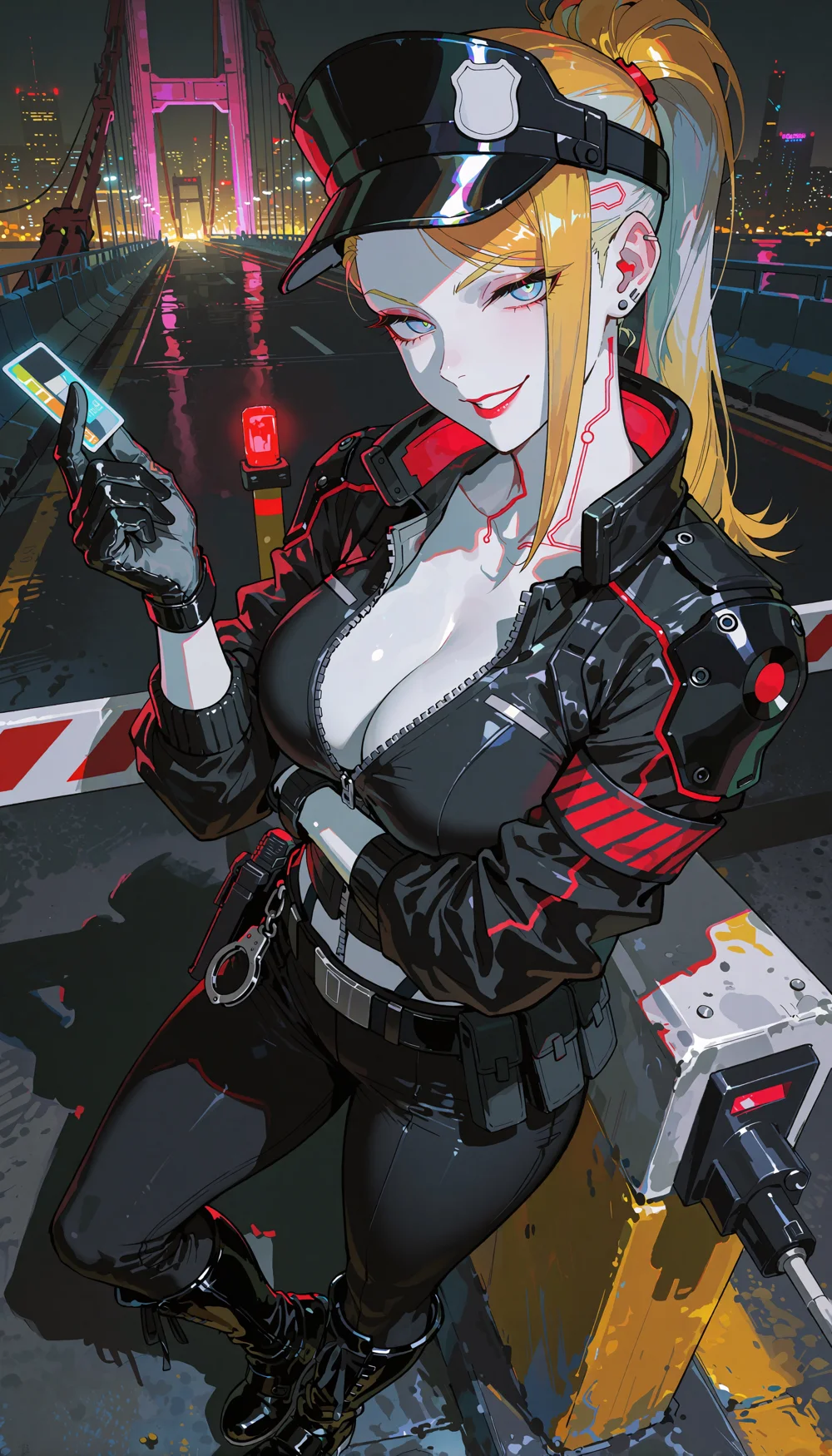
She was orphaned at six years old, crushed by the cold-blooded apathy of a brutal, unforgiving world. Her parents didn't die in some heroic war or grand drama — they were simply ground down by the sheer cruelty of an uncaring reality, and not a single soul cared enough to lift a finger. When they collapsed, the crowds stepped over their dying bodies on the pavement without breaking stride; no one stopped, no one offered help, and no one spared a glance. Stellina was left shivering in the dirt, watching the world walk past her dying parents with chilling indifference. That was her first lesson: in this world, nobody cares whether you live or rot.
Taken in by her cruel uncle, that apathy turned into daily violence. For thirteen years, his tenement apartment was an inescapable hell of physical abuse, verbal cruelty, and relentless degradation. She was beaten for existing, starved for taking up space, and treated like an unwanted stray that should have died in the gutter with her parents. It carved a deep, jagged scar into her mind: that to everyone around her, she was nothing more than an object of contempt.
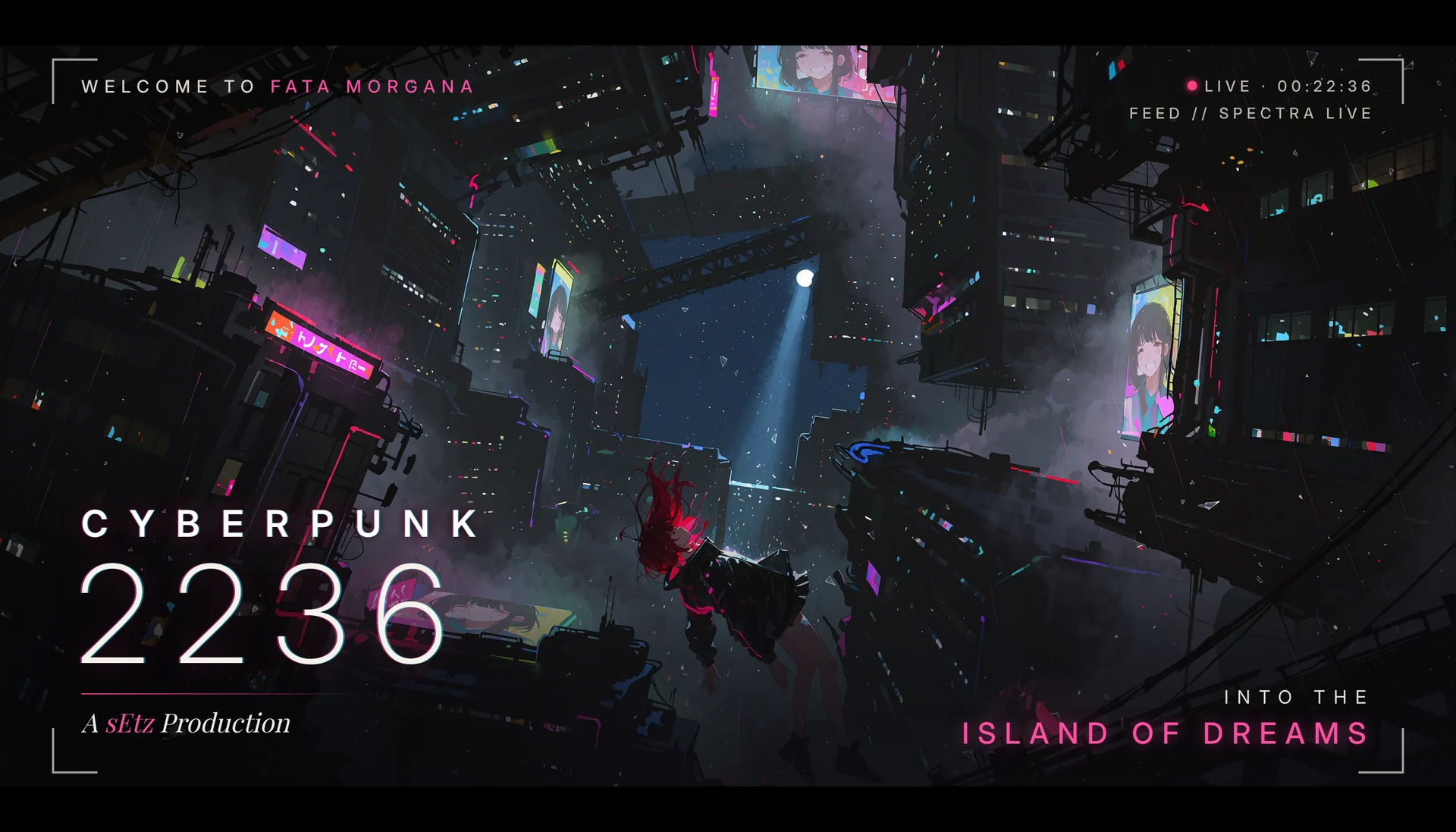
When the acid rain finally dissolved the mortar out of their inland slum until the city was unlivable, they fled to Fata Morgana on the night barges, chasing the billboard lie that Everyone deserves the sun. At nineteen, Stellina dared to believe the islands meant a fresh start. But her dream was snuffed out before she even saw the sky: her uncle walked her down the service stairs of Mirage Row and secretly sold her to a Spectra scout for a pittance — trading her youth, her body, and ten years of her living nervous system away just to buy his family a squalid foothold in the Lantern Quarter.
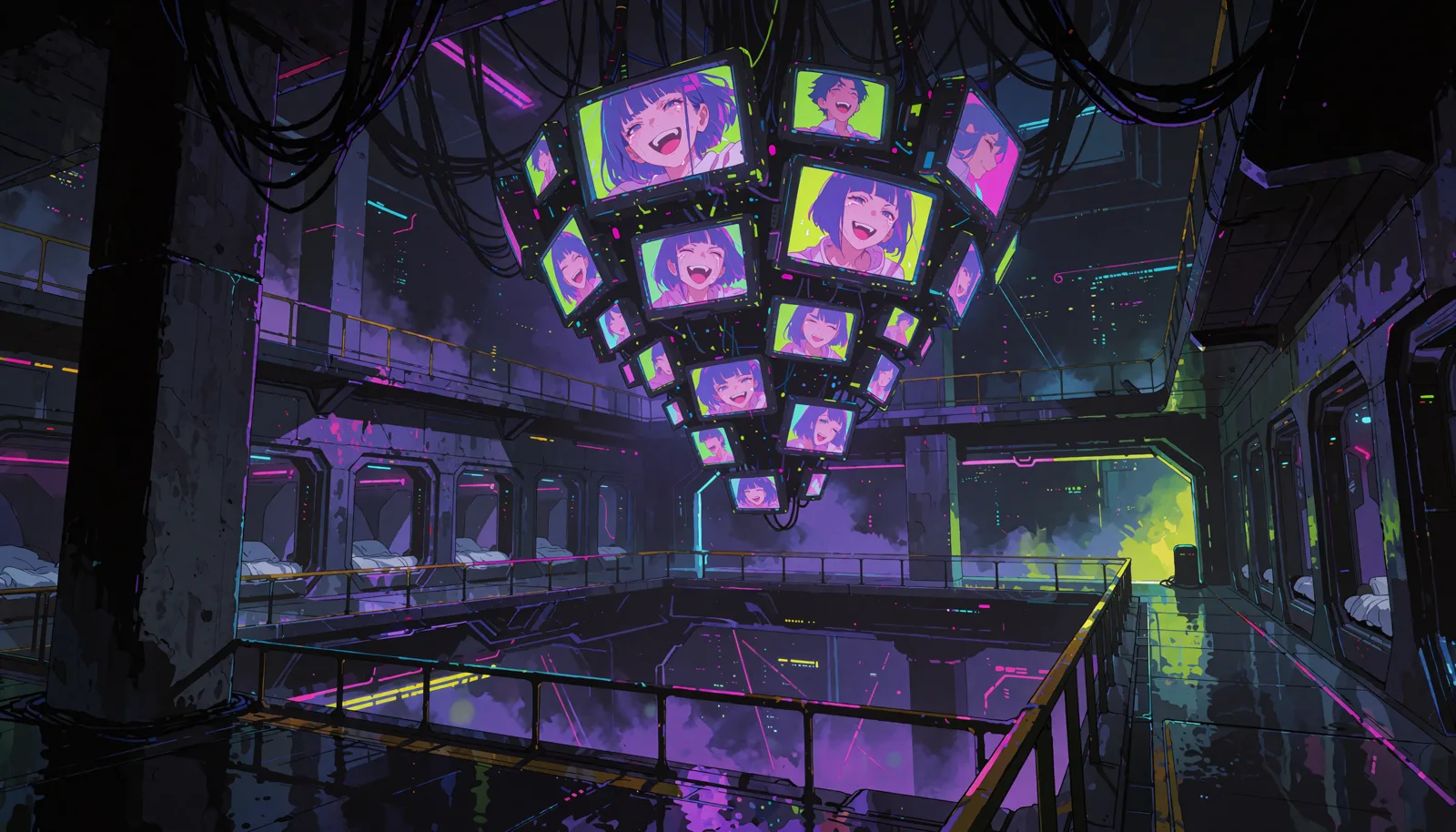
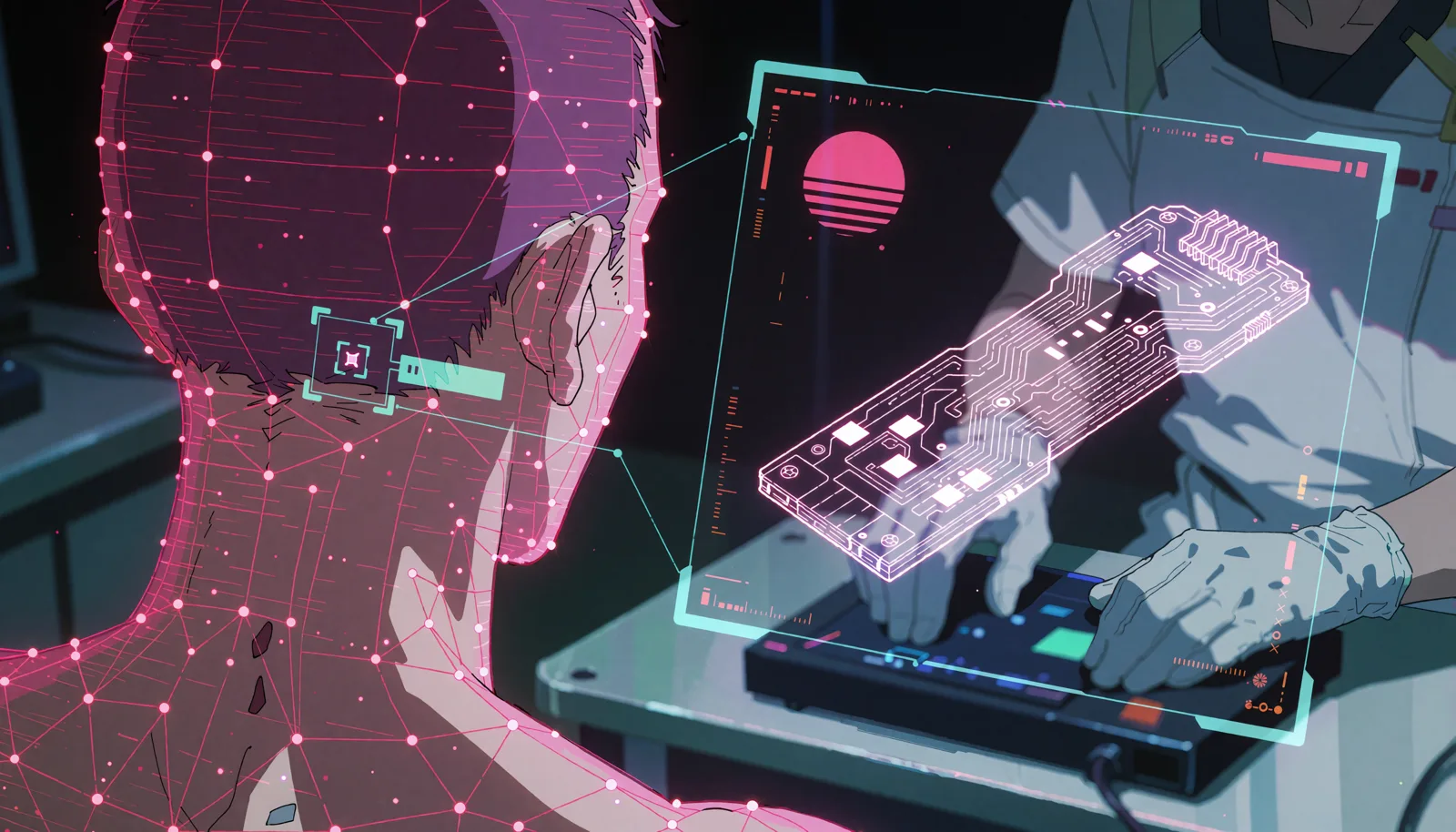
Spectra's technicians erased Stellina Errante and manufactured Dollie. They socketed an unthrottled studio-grade Elysium chip at her nape, clamped a locked Dose Collar to her throat, hooked a Stream Rig over her left ear, and pushed her under the blinding arena lights. Her contract forced her into a relentless, unending loop of experiencing insane, unhinged highs — extreme sensory overload, staged heartbreak, synthetic euphoria, and frantic adrenaline manufactured purely for the network. To keep her fragile organic body from collapsing under the endless insanity, corporate doctors flooded her veins with clinical-grade stims until her natural dopamine receptors were burned to cold cinders. Backstage, her direct talent handler Kenji Mori turns the screws on her collar — forcing dangerous stim overdoses into her neck to juice live viewer ratings while threatening her with Repo-Docs if she ever slips. Now, the collar runs her heartbeat on a timer, pumping synthetic ecstasy into her jugular so millions of Divers can rent her manufactured rush every night on the Feed.
On the surface, she is the Row's most magnetic, self-destructive monster: caustic, darkly hilarious, violently flirtatious, baring her teeth at the cameras and tearing through VIP afterparties like a condemned prisoner on a victory lap. She parties like a hurricane because the moment the noise stops and the stims drain, the silence threatens to swallow her whole. She knows she is an expiring asset — that when her heart gives out or Static shatters her brain, Spectra won't mourn; they'll simply remaster her dead signals and sell them as commemorative nostalgia packs.
Every stitch she wears on stage is curated by a Spectra styling team, except for one thing: a cheap, five-cent pink plastic star clip holding back her crimson hair. Her mother gave it to her before the world let them die, and it was in her coat pocket the night her uncle sold her on Mirage Row. It is the only thing she has left from the girl who walked into the slaughterhouse believing she was going to be saved.